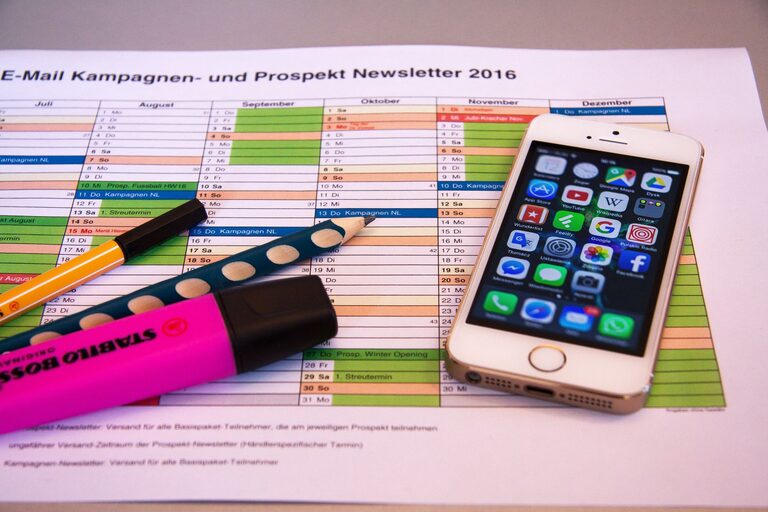

When it comes to staying organized, jotting down ideas, or simply capturing your thoughts, having the right notebook can make all the difference. But with so many options available, how do you choose a notebook you’ll actually use? This guide will help you find one that fits your style, purpose, and habits, ensuring it becomes a trusty companion rather than just another unused item on your shelf.
Why Choosing the Right Notebook Matters
A notebook is more than just paper bound together—it can become a tool that boosts your creativity, helps you track goals, or keeps your daily tasks on point. The right notebook encourages consistent use, while the wrong choice might leave you frustrated or uninspired. Let’s break down what to consider before making your purchase.
1. Understand Your Primary Use
Before you start browsing, think about how you plan to use your notebook. Different uses call for different features.
– Note-taking: For meetings or classes, you might need lined pages and a compact size.
– Journaling: Blank or dotted pages provide freedom for writing and sketches.
– Planning and organizing: Consider notebooks with sections or built-in calendars.
– Creative work: Thick, high-quality paper works best for sketches or mixed media.
Knowing your main purpose helps narrow down your choices and makes your notebook more enjoyable to use.
2. Choose the Right Size
Notebooks come in all sizes—from pocket-sized to large sketchbooks.
– Pocket-sized (A6 or smaller): Perfect for quick notes on the go but may feel cramped.
– Medium (A5): A popular choice that balances portability and writing space.
– Large (A4 and above): Great for detailed notes, drawings, or planners but less portable.
Consider where and how you’ll carry your notebook daily to find a size that fits your lifestyle.
3. Decide on Binding Type
Binding affects how your notebook lies flat and how durable it is.
– Spiral-bound: Lies flat easily and allows you to fold pages back; good for note-taking.
– Perfect bound (glued spine): Often looks sleek but may not lay flat easily.
– Hardcover with sewn binding: Durable and often lies flat, suitable for frequent use.
– Softcover: Lightweight and flexible but may wear more quickly.
Try opening different notebooks to see which feels best in your hand.
4. Paper Quality and Page Style
The feel of the paper can greatly affect your writing experience.
– Paper weight: Heavier paper (higher GSM) prevents ink from bleeding through and feels sturdier.
– Page style:
– Lined: Best for writing long text.
– Dotted: Offers flexibility for writing, drawing, or planning.
– Grid: Ideal for technical drawings, charts, or bullet journaling.
– Blank: Best for sketches or freeform notes.
If you use ink pens or markers, test the paper quality first to avoid frustration.
5. Look for Additional Features
Extra features can enhance the usefulness of your notebook.
– Page numbers and index: Helpful for easy reference.
– Built-in bookmarks or elastic bands: Keep your place and secure your notebook.
– Pockets: Store receipts, stickers, or notes.
– Perforated pages: For easy removal.
– Pre-printed templates: Calendars, to-do lists, or habit trackers for planners.
Choose features that match your workflow for better organization.
6. Consider Aesthetic and Personal Style
Although functionality is key, the look and feel of your notebook can inspire you to write more.
– Choose colors and designs that make you happy.
– Select covers that reflect your personality—minimalist, artistic, professional.
– Materials range from leather and faux leather to recycled paper for eco-conscious users.
A notebook you enjoy seeing and touching is more likely to become part of your daily routine.
7. Budget and Sustainability
Notebooks come at various price points. Setting a budget can help you focus your search.
– Remember that a quality notebook might cost more but lasts longer.
– Look for environmentally friendly options made with recycled paper or sustainable materials if that matters to you.
Balancing cost with quality and values ensures satisfaction with your choice.
8. Test Before You Commit
If possible, visit a store to try writing in different notebooks. Feel the paper, flip through pages, and assess what suits your grip and style best.
If ordering online, check return policies and read reviews to avoid surprises.
Final Thoughts
Choosing a notebook isn’t just about picking something pretty—it’s about finding a tool that fits your needs and motivates you to use it. By considering your intended use, size preferences, binding, paper quality, and additional features, you’ll be well on your way to picking a notebook that supports your goals and sparks your creativity.
With the right notebook in hand, you’re more likely to make note-taking, planning, or journaling a rewarding habit. Happy writing!

Related Posts