
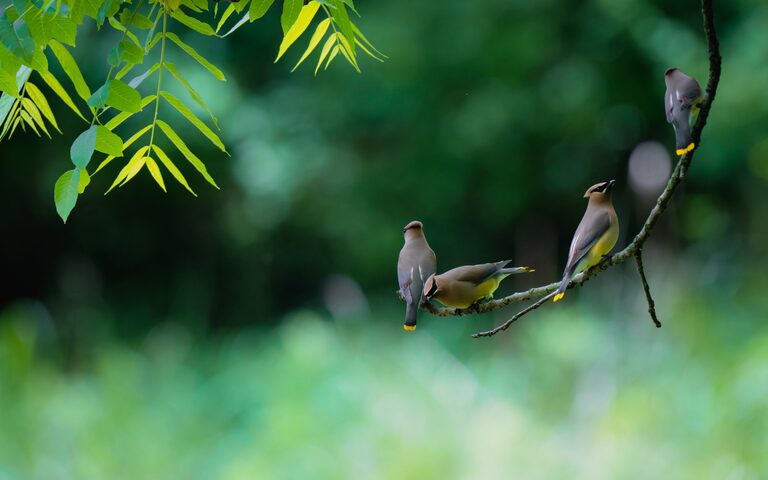
Birdwatching is a rewarding and relaxing hobby that allows you to connect with nature right in your own backyard. Whether you’re looking to enjoy peaceful mornings, learn about local wildlife, or share a new pastime with family, backyard birdwatching is a wonderful way to spend time outdoors. If you’re new to this activity, these beginner tips will help you attract birds, recognize common species, and make the most of your birdwatching experience.
Why Backyard Birdwatching?
Before diving in, it’s good to understand the benefits of watching birds. Birdwatching can improve your mental well-being, increase your awareness of the local environment, and provide a fun learning opportunity for people of all ages. Plus, you don’t need expensive equipment or a large space to get started—just a little patience and curiosity.
Choosing the Right Spot in Your Yard
Find a Quiet, Safe Location
Birds prefer calm, sheltered areas where they feel safe from predators. Look for a spot in your yard that’s away from heavy foot traffic and noisy appliances. Near trees, shrubs, or plants is ideal because these offer natural shelter and food sources.
Consider Visibility and Comfort
Pick a place where you can comfortably sit or stand and have a clear view of the area where you’ll be watching. A bench, garden chair, or even a window with a good view of your yard can serve as a perfect birdwatching station.
Attracting Birds to Your Backyard
Provide Food Sources
Bird feeders are a popular way to attract birds. Here are some common types and what to offer:
– Seed Feeders: Black oil sunflower seeds work well for many species.
– Suet Feeders: Great for woodpeckers and insect-eating birds.
– Nectar Feeders: Attract hummingbirds with a homemade sugar-water mix.
– Fruit Feeders: Place slices of oranges, apples, or berries for fruit-eating birds.
Make sure to clean feeders regularly to prevent disease.
Offer Fresh Water
Birds need water not only to drink but also to bathe. A shallow birdbath filled with clean water will attract a variety of species. Change the water frequently to keep it fresh, and consider adding stones or sticks for perching.
Plant Native Trees and Shrubs
Native plants provide natural food, shelter, and nesting sites. Berry-producing bushes and flowering plants attract insects, which in turn attract insect-eating birds. Research native plants in your region to create a welcoming habitat.
Observing Birds: Tools and Techniques
Use Binoculars
While not required, a pair of binoculars can greatly enhance your birdwatching experience. Choose compact, lightweight binoculars with a magnification of 6x to 10x for clear views.
Keep a Field Guide or App Handy
A bird identification book or smartphone app will help you recognize species by their colors, shapes, and calls. Many apps also allow you to record and compare bird songs.
Be Patient and Quiet
Birds are sensitive to noise and sudden movements. Approach your viewing spot slowly, keep your voice low, and avoid quick gestures. Sitting quietly for a while will help birds feel comfortable and reveal more natural behaviors.
Recording Your Observations
Keeping a birdwatching journal can be both fun and educational. Note the species you see, the time of day, weather conditions, and any interesting behaviors. Over time, this record can help you track changes in bird populations and deepen your knowledge.
Common Backyard Birds to Look For
Depending on where you live, you may see different species, but some common backyard birds include:
– American Robin
– Northern Cardinal
– Blue Jay
– Mourning Dove
– House Sparrow
– Black-capped Chickadee
– Downy Woodpecker
Learning the typical birds in your area will make identification easier and more rewarding.
Tips for Ethical Birdwatching
– Avoid disturbing nests or birds: Keep a respectful distance to avoid causing stress.
– Don’t use flash photography: This can frighten birds.
– Keep feeders clean: Prevents spread of disease.
– Avoid feeding bread: It offers little nutrition and can harm birds.
Building Your Birdwatching Skills and Community
Join Local Birdwatching Groups
Many communities have birdwatching clubs or nature centers that offer guided walks and workshops. These groups can be a great way to learn from experienced birders and share your enthusiasm.
Participate in Citizen Science Projects
Projects like the Audubon Christmas Bird Count or the Great Backyard Bird Count allow you to contribute to bird conservation by reporting your sightings.
Practice Regular Watching
Consistency helps you become more familiar with bird habits and seasonal patterns. Even just 10 to 15 minutes a day can be a good start.
—
Backyard birdwatching is a simple hobby that offers endless opportunities to learn and enjoy the beauty of nature. With a little preparation and patience, your outdoor space can become a vibrant haven for birds and a source of pleasure for you and your family. Happy birdwatching!
