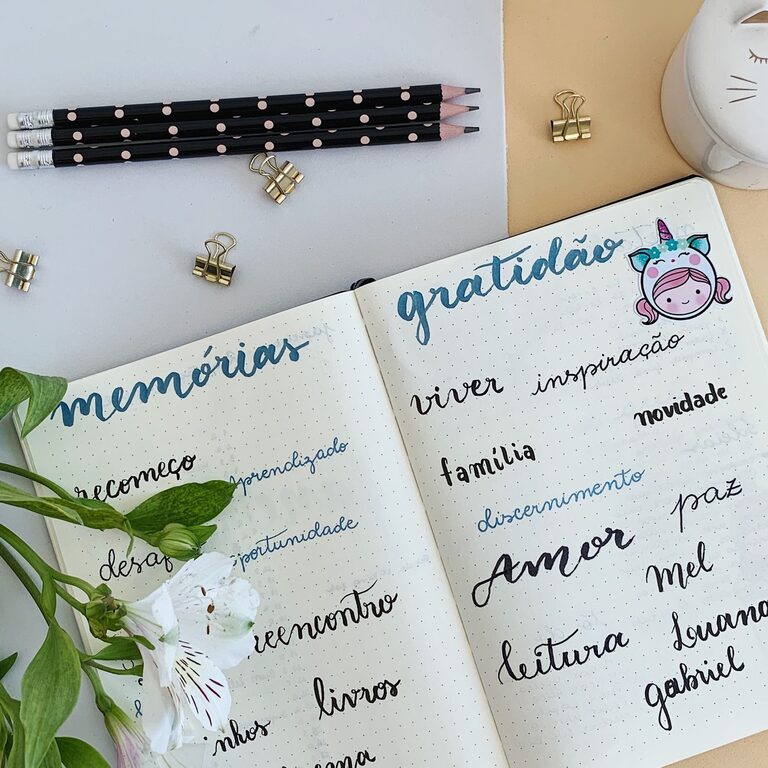

Journaling is a powerful and accessible tool that anyone can use to enhance their life. Whether you want to reduce stress, organize your thoughts, track your goals, or simply express yourself, writing a daily journal can help. If you’re new to journaling or haven’t been consistent, this beginner guide will walk you through how to start a daily habit that’s easy and enjoyable.
Why Journal Every Day?
Daily journaling offers a range of benefits:
– Mental clarity: Putting your thoughts on paper helps you understand feelings and problems more clearly.
– Stress relief: Writing about your day or challenges can reduce anxiety.
– Self-reflection: Journaling encourages you to think about your goals, habits, and moods.
– Creativity boost: Regular writing nurtures your creative thinking.
– Memories and growth: Journals become a record of your life and progress over time.
Even a few minutes each day can make a difference.
Choosing Your Journaling Tools
You don’t need fancy equipment to begin journaling. Here are some options:
– Traditional notebook: A simple lined or blank notebook works well.
– Digital apps: Many people use apps like Day One, Journey, or Google Docs.
– Bullet journals: For a mix of lists, writing, and creativity.
– Voice memos: If writing isn’t comfortable, try speaking your journal entries.
Pick a tool that feels natural to you so you’ll be more likely to stick with it.
Setting Up Your Daily Journaling Routine
1. Pick a Time
Choose a consistent time for journaling. Many find that journaling first thing in the morning or just before bed works best. Morning journaling sets a positive tone, while nighttime journaling helps process the day.
2. Start Small
Don’t overwhelm yourself. Begin with 5 minutes or just a few sentences each day. The key is consistency over length.
3. Create a Comfortable Space
Find a quiet spot where you can write without distractions. Having a dedicated journaling place can make the habit easier to maintain.
4. Set a Reminder
Use your phone alarm or calendar to remind yourself. This helps build the habit until it feels natural.
What to Write About: Prompts for Beginners
If you’re unsure what to write, try these simple prompts:
– Daily highlights: What was the best part of your day?
– Gratitude list: Name three things you’re thankful for today.
– Mood check-in: How are you feeling right now? Why?
– Goals: What do you want to accomplish this week/month?
– Reflections: What did you learn about yourself recently?
– Creative free writing: Write without stopping for 5 minutes about whatever comes to mind.
You can mix prompts or write freely depending on your mood.
Tips to Keep Your Journaling Habit Going
– Be honest: This journal is for you—no judgment.
– Don’t worry about mistakes: Spelling and grammar don’t matter here.
– Make it enjoyable: Use colored pens, stickers, or whatever makes it fun.
– Review your entries: Once a week or month, look back to see your progress or patterns.
– Be flexible: If one time or style doesn’t work, try something different.
Overcoming Common Challenges
– “I don’t have time”: Even 2–3 minutes help. Write a sentence or two.
– “I don’t know what to write”: Use prompts or write about simple daily events.
– “I’m not a good writer”: Journals aren’t for publishing—just personal expression.
– “I forget”: Set consistent reminders or journal at a fixed daily event (after breakfast, before bed).
Conclusion
Starting to journal every day can feel intimidating at first, but with small steps, it quickly becomes a rewarding habit. Remember, there is no right or wrong way to journal. It’s about what works best for you and what helps you feel more centered and clear. Pick your tool, set a time, and give yourself permission to write freely. Over time, you’ll find journaling is a reliable companion on your journey to greater self-awareness and calm.
Happy journaling!

Related Posts