
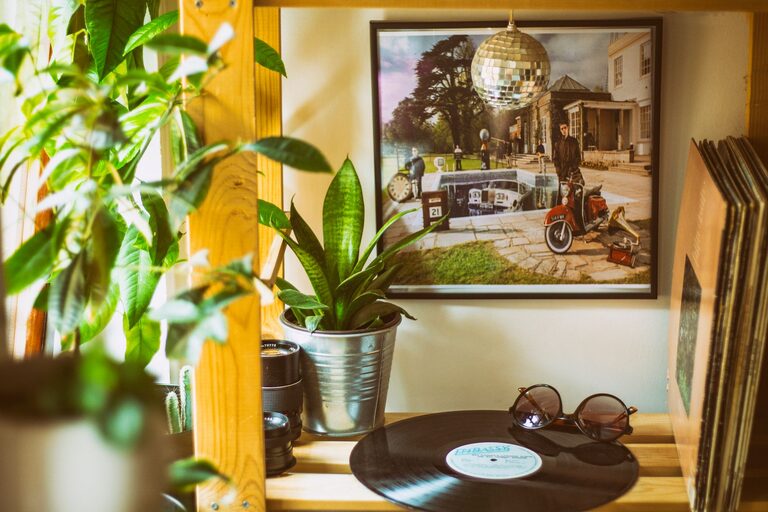
Bringing plants into your home is one of the easiest and most rewarding ways to refresh your living space. Not only do plants add a touch of natural beauty, but they can also improve air quality and create a calming atmosphere. Whether you have a green thumb or are new to plant care, adding greenery can make a big difference in how your home looks and feels. In this post, we’ll explore practical tips to refresh your home with plants, covering everything from selecting the right plants to styling them beautifully.
Why Add Plants to Your Home?
Before diving into the how, it’s worth understanding why plants are such a popular choice for home refreshes:
– Aesthetic Appeal: Plants bring color and life to otherwise plain spaces.
– Improved Air Quality: Many indoor plants can help filter pollutants and release oxygen.
– Mood Boost: Being around plants can reduce stress and increase feelings of well-being.
– Natural Decor: Plants fit well with various design styles, from modern to rustic.
With these benefits in mind, let’s look at how to bring plants into your home in a way that feels easy and enjoyable.
Choosing the Right Plants for Your Space
The first step is to pick plants that suit your home’s lighting conditions and your lifestyle.
Consider Lighting
– Low Light: If your home has limited natural light, choose shade-tolerant plants like snake plants, pothos, or ZZ plants.
– Bright Indirect Light: For spaces with plenty of indirect sunlight, try ferns, spider plants, or philodendrons.
– Direct Sunlight: South-facing windows or sunny spots are perfect for succulents, cacti, or herbs.
Assess Your Commitment
– Low Maintenance: Snake plants, pothos, and succulents require less frequent watering and fuss.
– Moderate Care: Plants like peace lilies or ferns may need a bit more attention but are still fairly easy.
– High Maintenance: Orchids or some tropical plants might need specialized care.
Choosing the right plants based on your environment and available time for care will help ensure they thrive and add continuous beauty to your home.
Styling Your Plants Around the Home
Once you’ve picked your plants, think about how to display them to maximize their impact.
Use Varied Pot Sizes and Styles
Mixing pots of different sizes, colors, and materials can add visual interest. Ceramic, terracotta, and woven baskets are popular choices.
Create Groupings
Arrange plants in clusters to create a lush, layered look. Grouping plants with different heights and leaf shapes can add depth to the space.
Think Vertical
Use shelves, hanging planters, or wall-mounted pots to save floor space and create a green wall effect.
Combine Plants with Other Decor
Pair your plants with books, candles, or artwork to create personalized vignettes that reflect your style.
Caring for Your Indoor Plants
Keeping your plants healthy is key to a refreshed home that stays vibrant. Here are some fundamental care tips:
– Water Carefully: Avoid overwatering by checking soil moisture before watering. Most indoor plants prefer their soil to dry out slightly between waterings.
– Feed Occasionally: Use a balanced, water-soluble fertilizer during the growing season (spring and summer).
– Clean Leaves: Dust can block sunlight and reduce photosynthesis. Wipe leaves gently with a damp cloth as needed.
– Rotate Plants: Turn plants regularly so all sides receive light evenly.
Refresh Existing Spaces with Plant Placement
Here are some specific ideas for including plants in different rooms.
Living Room
Place larger plants like fiddle leaf figs or rubber plants near seating areas to create a focal point. Small plants on coffee tables or shelves add texture and freshness.
Kitchen
Herb pots on windowsills are practical and decorative. Plants like aloe vera or pothos also do well in kitchen environments.
Bedroom
Choose plants known for purifying air and encouraging rest, such as snake plants or lavender. Place them on bedside tables or dressers.
Bathroom
Humidity-loving plants like ferns and spider plants thrive in bathrooms. Use hanging planters or small shelves to keep them safe from water splashes.
Troubleshooting Common Issues
Even experienced plant owners encounter problems. Here are quick fixes to common issues:
– Yellow Leaves: Often a sign of overwatering or poor drainage.
– Drooping Leaves: May indicate underwatering or too much direct sunlight.
– Brown Leaf Edges: Could be due to low humidity or excessive fertilizer.
– Pests: Wipe leaves and treat with insecticidal soap if pests appear.
Final Thoughts
Refreshing your home with plants is a wonderful, accessible way to transform your living environment. By selecting the right plants, styling them thoughtfully, and providing proper care, you can enjoy a greener, brighter home all year round. Start small if you’re new to plant care, and watch how your space comes alive with nature’s touch.
Happy planting!
