
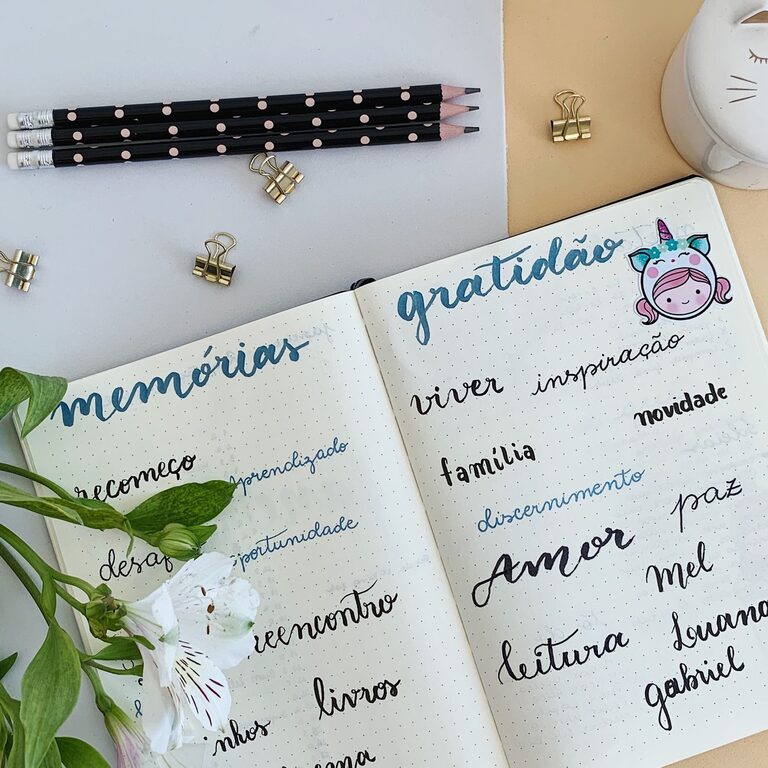
Starting a gratitude journal is a wonderful way to cultivate a positive mindset and enhance your overall well-being. By dedicating just a few minutes each day to note things you appreciate, you can shift your focus away from stress and negativity toward a more balanced and joyful outlook. If you’re new to journaling or unsure where to begin, this guide will walk you through the basics of starting your own gratitude journal.
What Is a Gratitude Journal?
A gratitude journal is a personal journal where you regularly write down things you are thankful for. This practice encourages you to reflect on the good in your life, both big and small. Unlike general journaling, which can include all kinds of thoughts and experiences, a gratitude journal centers specifically on appreciation and thankfulness.
Benefits of Keeping a Gratitude Journal
Many people find that keeping a gratitude journal helps:
– Improve mood and reduce feelings of stress and anxiety
– Increase mindfulness and presence in daily life
– Strengthen relationships by recognizing the kindness of others
– Boost self-esteem and foster a positive self-image
– Encourage healthier sleep patterns and better overall health
The act of writing down what you appreciate creates a positive feedback loop that supports mental and emotional wellness.
How to Choose Your Gratitude Journal
Before you begin, consider what type of journal will work best for you:
– Physical notebook: Some prefer the tactile experience of writing by hand. Choose a notebook you enjoy using, perhaps something compact and portable.
– Digital journal: If you spend a lot of time on devices, a digital journal app or a simple document can be convenient.
– Pre-formatted gratitude journals: These come with prompts and spaces designed specifically for gratitude entries, which can be helpful for beginners.
Choose whatever feels easiest to maintain consistently.
Getting Started: Setting Up Your Gratitude Journal Practice
1. Decide on a Time
Pick a regular time to write in your journal. Many people prefer:
– Morning: To start the day with a positive mindset
– Evening: To reflect on the day and wind down before sleep
Consistency helps turn journaling into a habit.
2. Keep It Simple
Start with just three to five things you are grateful for each day. These can be anything from a good cup of coffee to a meaningful conversation or a beautiful sunset.
3. Be Specific
Instead of writing vague entries like “I’m grateful for my family,” try to be more detailed: “I’m grateful for the laughter I shared with my sister today.” Specificity deepens your awareness and emotional connection.
4. Use Prompts If You’re Stuck
Prompts can help when you don’t know what to write. Try questions like:
– What made me smile today?
– What is something kind someone did for me recently?
– What is a simple pleasure I enjoyed today?
5. Reflect on Challenges
You can also express gratitude for lessons learned from difficult situations or personal growth moments. This broadens your perspective on gratitude.
Tips to Keep Your Gratitude Journal Going
– Make it enjoyable: Use colorful pens, stickers, or drawings if you like.
– Don’t stress about perfection: It’s about your feelings, not grammar or neatness.
– Revisit old entries: Reading your previous gratitude lists can boost your mood and motivate you.
– Share your gratitude: Sometimes sharing with a friend or family member can enhance the experience.
– Be patient: Gratitude journaling is a personal journey and benefits often grow over time.
Example Entry for Inspiration
*Today, I am grateful for:
- The warm sunshine during my afternoon walk.
- A phone call with an old friend who made me laugh.
- The delicious homemade dinner I enjoyed.
- Finding a quiet moment with a good book.
- The encouragement my coworker gave me during a meeting.*
Conclusion
Starting a gratitude journal is a simple yet powerful way to improve your daily life. By focusing regularly on what you appreciate, you can nurture gratitude, promote positive emotions, and build resilience against stress. Remember, your gratitude journal is a personal space, so feel free to write freely and honestly. With consistency and an open heart, you’ll likely notice many positive changes unfolding over time.
Give it a try, and watch how your outlook brightens — one thankful thought at a time!

Related Posts