
In today’s digital world, email is one of the most common forms of communication, both for work and personal use. However, the constant flow of messages can quickly become overwhelming, making it difficult to stay organized and respond promptly. If you’ve ever felt buried under a mountain of unread emails, you’re not alone. The good news is that with a few practical habits and tools, you can keep your email inbox under control and regain your peace of mind. Here’s how.
Why Managing Emails Matters
Before diving into the strategies, it’s helpful to understand why controlling your email matters:
– Reduces stress: A cluttered inbox can cause anxiety and make it hard to focus.
– Improves productivity: When emails are organized, you spend less time searching and more time on important tasks.
– Enhances communication: Timely responses foster better relationships and collaboration.
Step 1: Set Clear Email Check Times
One of the biggest reasons email gets out of control is constant checking. Try these tips:
– Limit checking to specific times: For example, once in the morning, once after lunch, and once before you finish work.
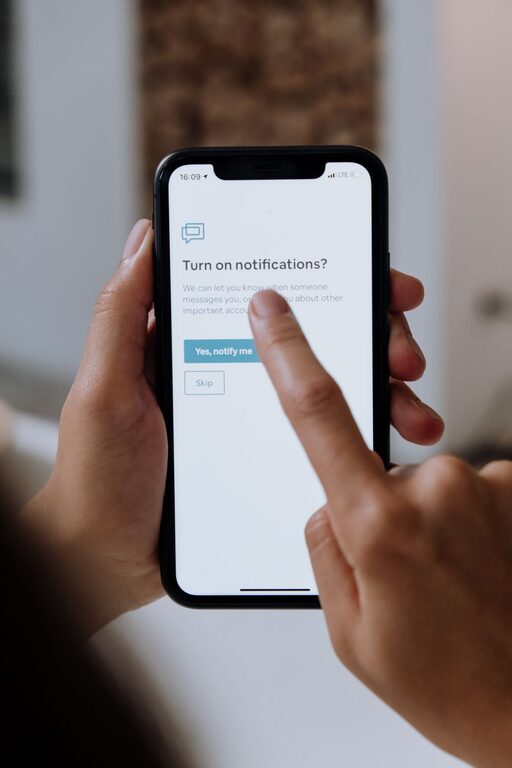
– Turn off notifications: This helps prevent distractions throughout the day.
Step 2: Use Folders and Labels to Organize
Creating a system to sort emails helps keep your inbox tidy.
– Create folders or labels based on categories: Such as Work, Personal, Newsletters, or Urgent.
– Move emails immediately: After reading or responding, file emails into the appropriate folder.
– Use flags or stars: For emails that require follow-up or action.
Step 3: Unsubscribe from Unnecessary Newsletters
Many inboxes fill up with newsletters or promotions you no longer read.
– Regularly review subscription emails.
– Use the ‘unsubscribe’ link: Most newsletters have this at the bottom.
– Consider using an email management tool: Some tools help you find and unsubscribe from unwanted emails easily.
Step 4: Implement the Two-Minute Rule
Inspired by productivity methods, this rule advises:
– If an email can be responded to or addressed in less than two minutes, do it immediately.
– For longer tasks, mark the email and schedule dedicated time to handle it.
Step 5: Use Filters and Rules
Most email providers allow you to automate sorting:
– Set up filters to automatically move emails: For instance, emails from your manager go into a high-priority folder.
– Filter newsletters or promotional offers: Direct them to a separate folder to check at your convenience.
Step 6: Archive or Delete Emails Regularly
Keeping your inbox clutter-free isn’t just about organizing—it’s also about removing unnecessary emails.
– Archive emails you might need later.
– Delete emails that are no longer useful.
– Schedule a weekly or monthly cleanup to stay on top.
Step 7: Keep Emails Short and Clear
When sending emails, clear and concise messages reduce the back-and-forth.
– Use bullet points or numbered lists for clarity.
– Specify any actions or deadlines clearly.
– This helps recipients respond faster and reduces confusion.
Bonus Tips
– Use a separate email for registrations and newsletters: This keeps your main inbox focused.
– Try the “Inbox Zero” approach: Aim to keep your inbox empty or near empty by the end of the day.
– Leverage email templates: For common responses, to save time.
Conclusion
Managing your email doesn’t have to be a daunting task. By adopting consistent habits like checking emails at set times, organizing with folders and filters, and regularly cleaning out your inbox, you can regain control and reduce stress. Start implementing these strategies today, and enjoy a more organized, efficient email experience.
Remember, the goal is not to eliminate emails but to manage them in a way that works best for you. Happy emailing!

Related Posts